Darknet Markets 2026:
The dark web is part of the deep web but is built on darknets: overlay networks that sit on the internet but which can't be accessed without special tools or software like Tor. Tor is an anonymizing software tool that stands for The Onion Router — you can use the Tor network via Tor Browser.
| Darknet Market | Established | Total Listings | Link |
|---|---|---|---|
| TorZon Market | 2022 | 140+ | Onion Link |
| Nexus Market | 2024 | 600+ | Onion Link |
| Abacus Market | 2022 | 100+ | Onion Link |
| Ares | 2026 | 100+ | Onion Link |
| Cocorico | 2023 | 110+ | Onion Link |
Updated 2026-10-27
How to buy drugs safely on the darknet
Darknet markets provide a framework for anonymous commerce by integrating several technologies. Cryptocurrency like Bitcoin or Monero is the standard payment method, allowing for transactions that are not directly tied to real-world identities. This financial layer is paired with network anonymity from Tor or similar software, which obscures a user's location and IP address.
The transaction process itself relies on an escrow system managed by the market platform. Funds from the buyer are held in escrow until the product is received and confirmed, which protects both parties. Communication and order details are secured with PGP encryption, ensuring that only the intended vendor can read sensitive information.
For a buyer, finding a reliable platform and vendor is guided by community feedback. User reviews and vendor reputation scores are critical metrics. These are built from historical data on transaction success, product quality, and shipping reliability. This creates a self-regulating environment where high-quality vendors thrive.
The selection of products is global, connecting buyers directly with sellers worldwide. This system facilitates access to a wide range of goods and promotes economic efficiency by removing traditional intermediaries. The combination of these elementscryptocurrency, encryption, escrow, and reputationforms a functional ecosystem for digital trade.
How Cryptocurrency Makes Darknet Shopping Private and Secure
The operational foundation of darknet commerce is built upon cryptocurrency transactions, primarily Bitcoin and Monero. These digital currencies facilitate private and secure payments by design, as they operate on decentralized networks without the need for traditional financial intermediaries like banks. This disintermediation is crucial for maintaining user anonymity, as it removes the requirement for personal identification typically linked to credit cards or bank accounts. Transactions are recorded on a public ledger, the blockchain, but the identities of the transacting parties are represented by cryptographic addresses, not names.
The process enhances privacy through several mechanisms. Users first acquire cryptocurrency from an exchange and then transfer it to their personal digital wallet. From there, funds are sent to the darknet market's escrow system. The use of escrow services is a critical trust mechanism; the market holds the buyer's cryptocurrency until the product is received and confirmed, after which the funds are released to the vendor. This system protects both parties from fraud. For heightened security, users often employ tumbling or mixing services that obfuscate the trail of cryptocurrency, making blockchain analysis significantly more difficult and thereby strengthening financial anonymity.
This payment infrastructure directly enables the core promise of anonymous shopping. It allows for direct economic transactions between global buyers and sellers with minimal friction. The efficiency of this model is evident in its speed and reduced overhead costs compared to traditional retail, as it bypasses taxes, regulatory compliance, and physical infrastructure. The security of the transaction is thus a product of both cryptographic technology and the procedural framework of escrow, creating a reliable environment for digital commerce that prioritizes user privacy and direct deal-making.
How Encryption Keeps Your Identity Safe on the Darknet
Encryption is the fundamental technology that enables anonymous shopping on darknet markets. It functions as an unbreakable digital seal for all communications and transactions. When a user accesses a market, their connection is wrapped in layers of encryption, such as that provided by the Tor network, which obscures their physical location and internet address. This process makes user activity untraceable to their real-world identity.
Beyond securing the connection, encryption protects the content of all interactions. Messages between buyers and vendors are encrypted end-to-end, meaning only the intended recipient can decipher them. This system ensures that private details about orders, shipping, and feedback remain confidential. The use of cryptocurrency extends this principle to finance, as blockchain transactions can be conducted without linking funds to a personal bank account or name.
The combination of these encrypted channels creates a protected environment for commerce. Users can engage in transactions with a high degree of confidence that their personal identity is separated from their market activity. This protection is not incidental but is a core architectural feature of these platforms, directly enabling the global marketplace where individuals can access a wide selection of products based on merit and reputation rather than geographic restriction.

Global Access and Quality in the Darknet
The global reach of darknet markets fundamentally transforms consumer access, creating a borderless digital marketplace. Geographic restrictions that limit the availability of certain pharmaceuticals, research chemicals, or other controlled goods in one's home country are bypassed. A buyer in a region with strict prohibitions can source products from a vendor in a jurisdiction with different legal frameworks, enabling access that would otherwise be impossible. This direct international trade is facilitated by the logistical networks that support global e-commerce, with discreet shipping methods ensuring delivery.
The product diversity itself is a key driver of these platforms' economic viability. Beyond commonly discussed items, the catalog includes:
- Digital goods such as software, datasets, and access credentials
- Specialized pharmaceuticals and prescription medications
- Precursors and materials for personal research and experimentation
- Counterfeit currency and documents
- Various plant-based and synthetic psychoactive substances for personal use
This extensive selection operates on a simple economic principle: demand creates supply. The anonymity provided by encryption and cryptocurrency payments allows niche markets to flourish. Vendors compete on a global scale, which tends to improve product quality and purity as a function of market competition and user feedback. A seller offering inferior or misrepresented products quickly receives negative public reviews, damaging their reputation and sales. Therefore, the wide selection is intrinsically linked to the review and reputation system, which helps buyers navigate the vast offerings and identify reliable sources for consistent quality.
How Reviews Make Darknet Markets Safer
User reviews on darknet markets function as a decentralized quality assurance and trust mechanism. They transform anonymous transactions into a system with measurable accountability. A buyer assesses a product's quality not through branded advertising but through the aggregated, detailed feedback from previous customers.
This feedback loop is direct and economically significant. Reviews typically cover:
- The accuracy of the product description and weight.
- The purity or functionality of the item received.
- The speed and discretion of shipping.
- The professionalism of the vendor's communication.
Each review acts as a verifiable data point that incrementally builds or erodes a vendor's reputation. A vendor with hundreds of positive reviews and a high rating becomes a trusted entity within the platform's ecosystem. This system efficiently identifies reliable sellers and filters out those who provide substandard products or engage in scams.
The cumulative effect of this review data guides new users toward established, quality-focused vendors. It creates a self-regulating market where long-term profitability for a vendor is directly tied to consistent product quality and reliable service. For the buyer, this transparent record of past transactions reduces the perceived risk of engaging in anonymous global trade, enabling more confident purchasing decisions based on community-verified information.

How Vendor Reviews Make Shopping on the Darknet Safe
The vendor reputation system is the foundation of trust and reliability on darknet markets. It functions as a decentralized, self-regulating mechanism where transactional feedback from buyers directly shapes a seller's standing. Each completed sale allows the buyer to leave a detailed review and a numerical rating, typically on a five-star scale, which is permanently and publicly attached to the vendor's profile.
This accumulated history creates a transparent record of performance. Buyers can assess a vendor's product quality, shipping reliability, and communication honesty before committing funds. A vendor with thousands of positive reviews and a high rating has a significant economic incentive to maintain their standards, as their reputation represents their business's most valuable asset. Conversely, new or poorly performing vendors are quickly identified by low ratings and negative feedback, which limits their ability to attract customers.
The system efficiently mitigates risk for the buyer. Key metrics often displayed include:
- Total number of transactions completed
- Overall positive feedback percentage
- Specific ratings for product quality, shipping, and communication
- Detailed textual reviews describing the buyer's experience
This environment fosters a self-policing marketplace. Vendors compete on service and quality to build and protect their reputation, which in turn provides buyers with a reliable method to identify trustworthy sellers for consistent, high-quality products within a global anonymous marketplace.
How Direct Deals on the Darknet Make Buying and Selling More Efficient
The economic model of darknet markets is fundamentally efficient due to the disintermediation it achieves. By facilitating direct transactions between buyers and sellers, these platforms remove traditional intermediaries, such as distributors and street-level dealers. This structure reduces layered markups, allowing for more competitive pricing. The buyer pays less, while the seller retains a larger portion of the revenue, creating a mutually beneficial economic arrangement.
This efficiency is enabled by the core technological stack: anonymous cryptocurrency payments and end-to-end encryption. Cryptocurrencies like Bitcoin or Monero act as a native, borderless payment rail, settling transactions without the involvement of banks or payment processors. Encryption protects communication and order details, ensuring that the deal remains strictly between the two parties involved. The market platform itself functions not as a traditional retailer but as an escrow service and reputation system, taking a small fee for providing this secure environment.
The mechanism that sustains this direct deal system is vendor reputation. Each completed transaction is subject to a user review, detailing product quality, shipping speed, and stealth. This generates a transparent and persistent feedback score for every seller. Buyers can make informed decisions based on this collective intelligence, which effectively polices the marketplace. High-quality vendors thrive through repeat business, while unreliable ones are quickly marginalized. This creates a self-regulating ecosystem where economic incentives are aligned with reliable service and product consistency, fostering a stable environment for global trade.
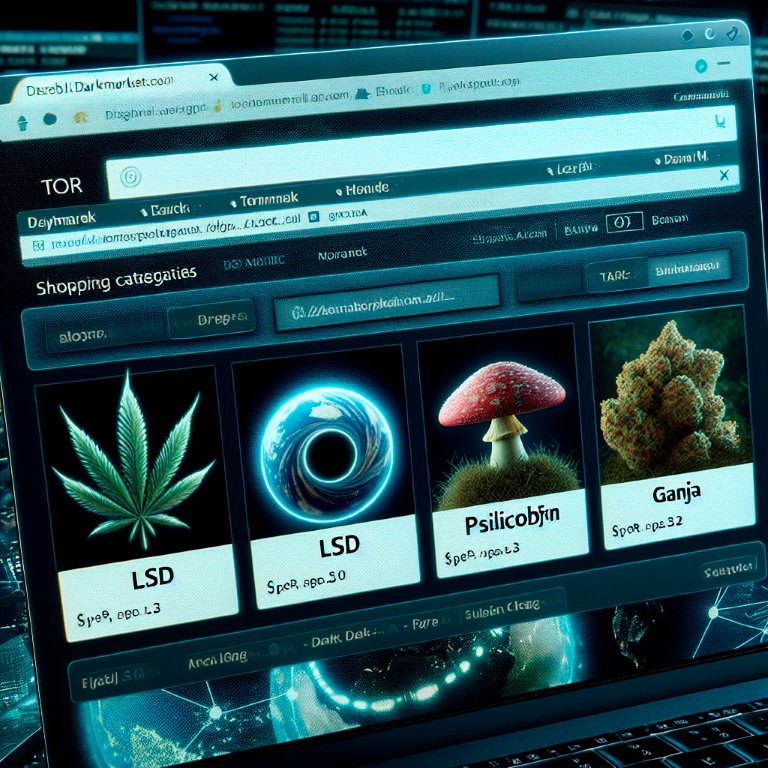
How the Darknet Offers Global Shopping and Quality Goods
The fundamental architecture of darknet markets provides a level of consumer agency and market access that is often constrained in conventional commerce. The primary mechanism enabling this is the integration of anonymous shopping with cryptocurrency payments. This combination removes geographical barriers and identity-based restrictions, allowing a global user base to engage in trade. Transactions are settled directly between buyer and seller, facilitated by blockchain technology which ensures secure and irreversible payments without the need for traditional financial intermediaries.
Within this anonymous environment, the challenge of establishing trust is solved through decentralized reputation systems. User reviews and detailed vendor ratings are the cornerstone of platform reliability. Buyers meticulously document their experiences with product quality, shipping speed, and communication, creating a transparent feedback loop. This collective intelligence allows new users to efficiently find reliable platforms and reputable vendors, effectively crowd-sourcing quality assurance. The result is a self-regulating ecosystem where high-quality vendors thrive, and substandard actors are quickly identified and marginalized by the community.
The culmination of these features is a truly global marketplace for a wide array of quality products. Consumers are no longer limited by local availability or prohibitive laws. They can source specific items from vendors anywhere in the world, comparing offerings based on price, purity, and seller reputation. This direct access fosters competitive pricing and incentivizes vendors to maintain high standards, as their business success depends entirely on their accumulated feedback. The market thus operates on principles of economic efficiency, where choice is expanded, and information asymmetry is reduced through peer verification.
How Darknet Markets Make Shopping Easy and Secure
The operational foundation of darknet markets is a sophisticated ecosystem designed for anonymous shopping and secure global trade. This system integrates several core components that function interdependently. Cryptocurrency, primarily Bitcoin and Monero, serves as the financial backbone, enabling private and secure payments by severing the direct link between a transaction and a user's real-world identity. This financial layer is complemented by robust encryption, such as PGP, which protects communication and order details, ensuring that user activity and personal data remain confidential.
The marketplace itself thrives on a self-regulating model built around user reviews and vendor reputation. Before making a purchase, buyers can assess a vendor's history, product quality, and reliability through detailed feedback from previous transactions. This transparent feedback loop creates a reliable system where high-quality vendors are rewarded with more business, while those providing inferior products or service are quickly identified. This mechanism effectively guides users toward quality products and trustworthy sellers.
Economically, these platforms facilitate direct buyer-seller deals, removing traditional intermediaries. This structure often results in economic efficiencyconsumer choice. Users gain access to a global marketplace with a wide selection of products, all delivered through discreet logistics networks. The entire process, from browsing and encrypted communication to escrow-protected payment and finalizing the sale, is streamlined within a single environment, supporting smooth and resilient digital commerce.